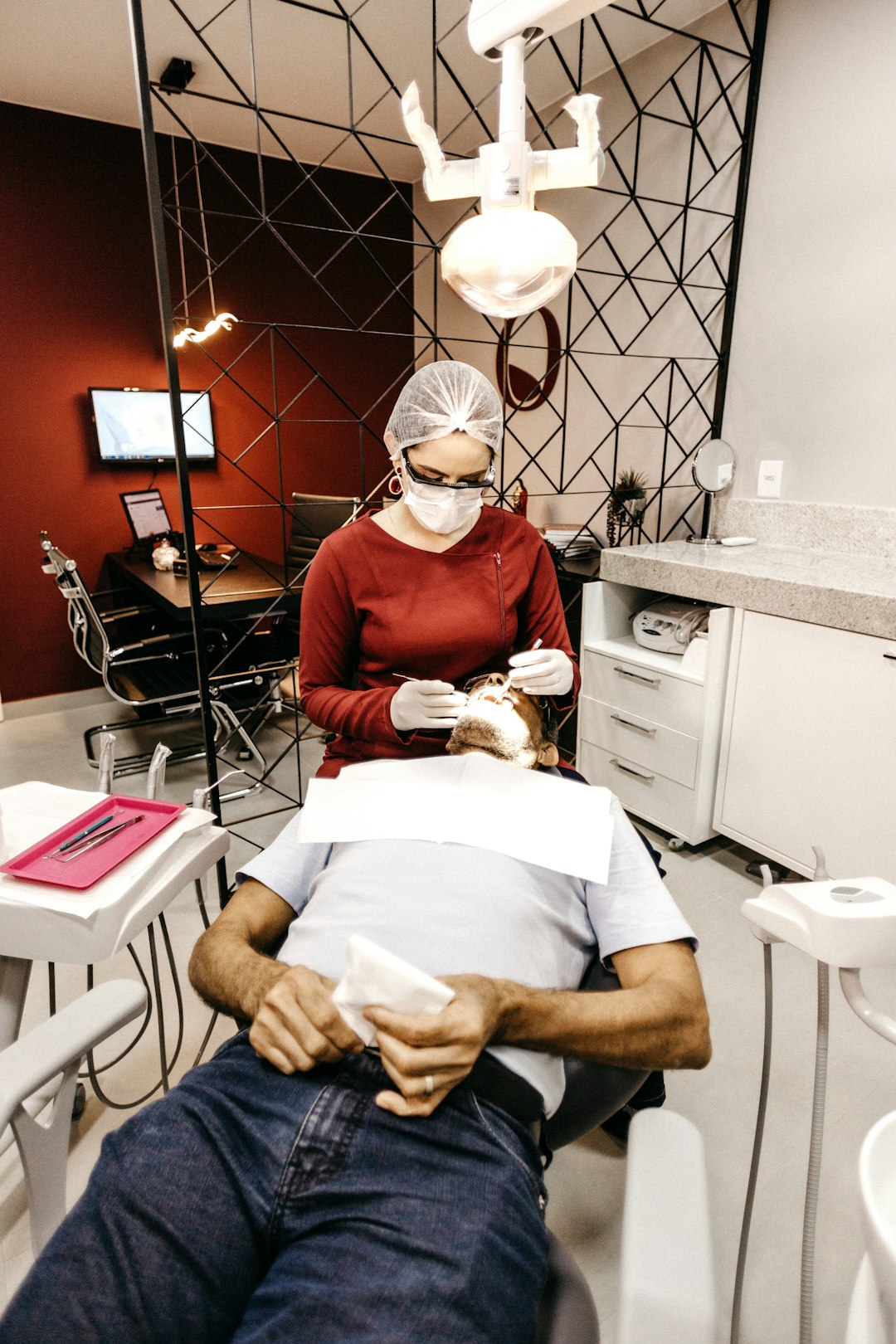
A professional teeth cleaning is one of the most essential steps in protecting your oral health, keeping your smile bright, and preventing future dental problems. While daily brushing and flossing are important, they simply can’t reach the deeper areas where plaque and tartar build up. That’s why so many people search for trusted, gentle, and high-quality teeth cleaning Cambridge to keep their oral health on track.
If you want a fresher mouth, healthier gums, and a confident smile, this guide will help you understand everything you need to know. From how professional cleanings work to the benefits you can expect, this article breaks down the process in a clear and friendly way. Families across Cambridge rely on preventive dental care to stop issues before they start—and choosing the right dental provider makes all the difference. Practices like Galt Dental Care are known for offering patient-focused hygiene appointments with advanced technology and a gentle touch.
Why Teeth Cleaning Is Essential for Long-Term Oral Health
Even if you brush twice a day and floss consistently, buildup still happens. Plaque forms naturally from food, saliva, and bacteria. Over time, if it’s not removed, it hardens into tartar—a mineralized substance that can only be removed by a professional.
Skipping regular cleanings can lead to:
Gum inflammation
Bleeding gums
Persistent bad breath
Staining and discoloration
Receding gums
Bone loss
Tooth decay
Early-stage gum disease (gingivitis)
More serious gum infection (periodontitis)
Professional cleanings help prevent these issues and keep your mouth healthy at every stage of life.
What Happens During a Professional Teeth Cleaning?
A dental cleaning is simple, comfortable, and highly effective. Here’s what typically happens during your visit:
1. Gum and Oral Health Evaluation
The hygienist begins by checking your gum health and looking for signs of inflammation or recession. This quick exam helps determine the type of cleaning needed and ensures early detection of any concerns.
2. Gentle Scaling
Using advanced dental tools, plaque and tartar are removed from the gumline and tooth surfaces. This step prevents gum irritation, bleeding, and long-term damage.
3. Deep Plaque Removal
Hard-to-reach areas—especially behind the molars and between teeth—are carefully cleaned to reduce the risk of decay.
4. Polishing
Your teeth are polished with a smooth, minty paste that removes minor stains and gives your smile a clean, bright look.
5. Professional Flossing
A full flossing helps remove debris, improve gum health, and teach better at-home technique if needed.
6. Fluoride Treatment (Optional)
Some patients choose fluoride for added protection and stronger enamel.
7. Personalized Dental Advice
Your hygienist will guide you on brushing technique, flossing habits, oral hygiene products, and preventive measures to maintain your results.
A teeth cleaning in Cambridge typically takes 45–60 minutes and leaves your mouth feeling refreshed and noticeably cleaner.
How Often Should You Get Your Teeth Cleaned?
Most people benefit from a professional cleaning every six months. However, some patients may require more frequent visits—especially those with gum sensitivity, early gum disease, diabetes, orthodontic appliances, or a history of plaque buildup.
Regular cleanings help you:
Keep gums healthy
Prevent cavities
Maintain fresh breath
Reduce staining
Lower the risk of gum disease
Support overall health
Research continues to show clear links between oral health and heart health, making routine cleanings even more important.
Benefits of Choosing a Local Teeth Cleaning in Cambridge
Choosing a local dental provider offers convenience, familiarity, and direct access to ongoing care. Patients appreciate being able to schedule visits easily and maintain continuity with the same dental team.
Here’s why so many families choose a Cambridge dental clinic for their preventive care:
Personalized Experience
Local dentists understand the community and develop long-term relationships with patients.
Easier Scheduling
Booking appointments close to home saves time and reduces stress.
Consistent Oral Health Monitoring
Your dentist can track changes in gum health, bone levels, and overall hygiene from visit to visit.
Comfortable Communication
Patients feel more at ease asking questions and discussing concerns.
Practices like Galt Dental Care are known for offering comprehensive dental hygiene services that focus on prevention, comfort, and patient education.
Teeth Cleaning vs. Deep Cleaning: What’s the Difference?
Both cleanings are important, but they serve different purposes.
Standard Teeth Cleaning (Prophylaxis)
This is your routine cleaning to remove plaque, tartar, and light stains. It’s preventive and recommended every 6 months.
Deep Cleaning (Scaling & Root Planing)
This is a specialized treatment for patients with gum disease. It cleans under the gumline and smooths the roots to help gums reattach.
Your dentist will let you know which type you need after evaluating your gums and oral health.
Signs You’re Due for a Professional Cleaning
Even if you don’t feel discomfort, several subtle signs show you might need a cleaning:
Yellow or dull-looking teeth
Red, swollen, or bleeding gums
Persistent bad breath
Tartar visible between teeth
Sensitivity to cold foods or drinks
A fuzzy feeling on teeth
Increased gum recession
If you notice any of these symptoms, it may be time to book your next appointment.
How to Maintain a Clean Smile Between Visits
A professional cleaning creates an excellent foundation, but daily habits keep your smile healthy between appointments.
Here are some simple tips:
Brush twice a day using a soft toothbrush
Use fluoride toothpaste
Floss daily to remove plaque between teeth
Limit sugary snacks and acidic drinks
Drink plenty of water
Use mouthwash for added freshness
Replace your toothbrush every 3–4 months
Eat a balanced diet with vitamin-rich foods
A combination of professional and at-home care delivers the best long-term results.
Frequently Asked Questions
1. How long does a teeth cleaning appointment take?
Most cleanings take about 45–60 minutes, depending on your oral health and the amount of plaque present.
2. Does teeth cleaning hurt?
Cleanings are usually comfortable. Some patients experience mild sensitivity, especially if gums are inflamed, but the process is gentle and safe.
3. Can teeth cleaning whiten my teeth?
Professional cleanings remove surface stains, making teeth appear brighter. For deeper whitening, your dentist may recommend cosmetic whitening treatment.
4. What happens if I skip my cleanings?
Plaque and tartar build up, increasing the risk of gum disease, decay, and bad breath. Skipping cleanings can lead to more costly dental procedures later.
5. Is teeth cleaning safe for sensitive gums?
Yes. Hygienists tailor the cleaning to your comfort level. Tell your dentist about any sensitivity so adjustments can be made.
6. How soon can I eat after a cleaning?
You can eat immediately unless you’ve had fluoride treatment, which may require a short wait.
Final Thoughts
Regular teeth cleaning is one of the simplest and most effective ways to maintain a healthy, fresh smile. Whether you’re focused on preventing gum disease, reducing plaque buildup, or simply keeping your smile looking its best, routine dental cleanings offer long-term benefits that protect your overall health. If you’re searching for reliable teeth cleaning in Cambridge, choosing a supportive and experienced local practice ensures you get the care you deserve.
A dental hygiene visit leaves your mouth feeling refreshed, your smile brighter, and your confidence renewed. With the right team and consistent preventive care, maintaining excellent oral health becomes easy.